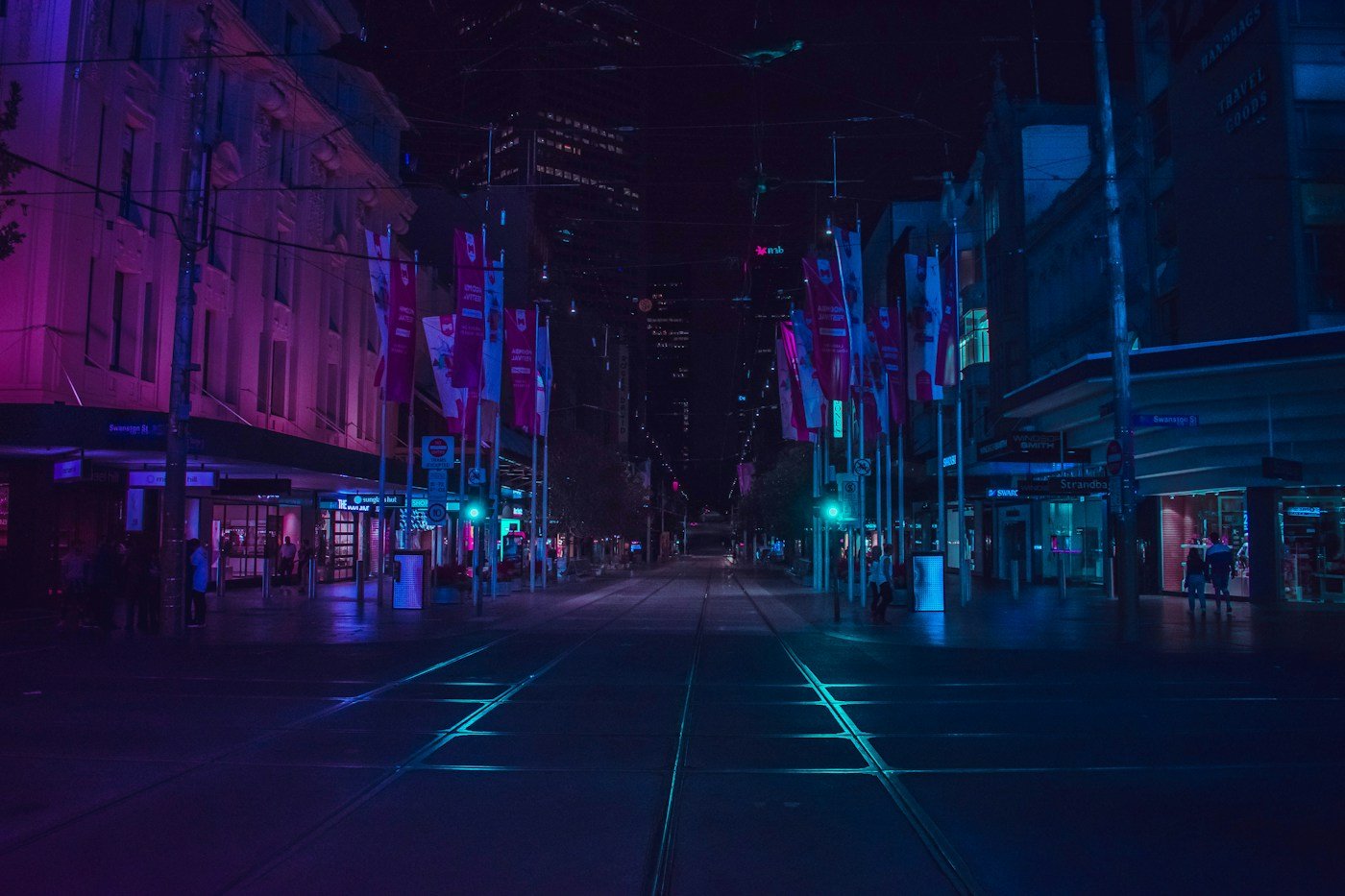
Choose a route you can revisit
Pick a short stretch that is accessible and safe at different times of day. Walk it once without pressure to make a finished image. Notice where people pause, how the sun crosses the buildings, and what changes with traffic or weather. Familiarity can help you see relationships that were hidden on the first visit.
Return with one visual question
On a later walk, focus on a single element such as reflections, signs, or the meeting of old and new materials. A constraint helps direct attention without scripting the result. Photograph a scene from more than one distance and angle. Keep enough context to show where the detail belongs.
Let people remain people
Street photography raises questions about privacy, dignity, and local expectations. Learn applicable rules where you are, be especially thoughtful when children or vulnerable people appear, and avoid turning someone’s hardship into spectacle. If a person objects, respond calmly and consider whether the photograph needs to be made or shared.
Sequence for change
Arrange the images to show a shift in light, activity, or your own way of seeing. A series does not need a dramatic event; a gradual change can hold attention. Include only images that add something to the sequence. Write a short note about the route and dates so viewers understand the project’s frame.